
Managed IT & AMC · 3 min read ·
Why local IT support beats remote-only outsourcing
Remote IT support is fast and cheap — until someone needs to physically touch a machine, a cable, or a router. Why a local partner still wins for businesses with real premises.
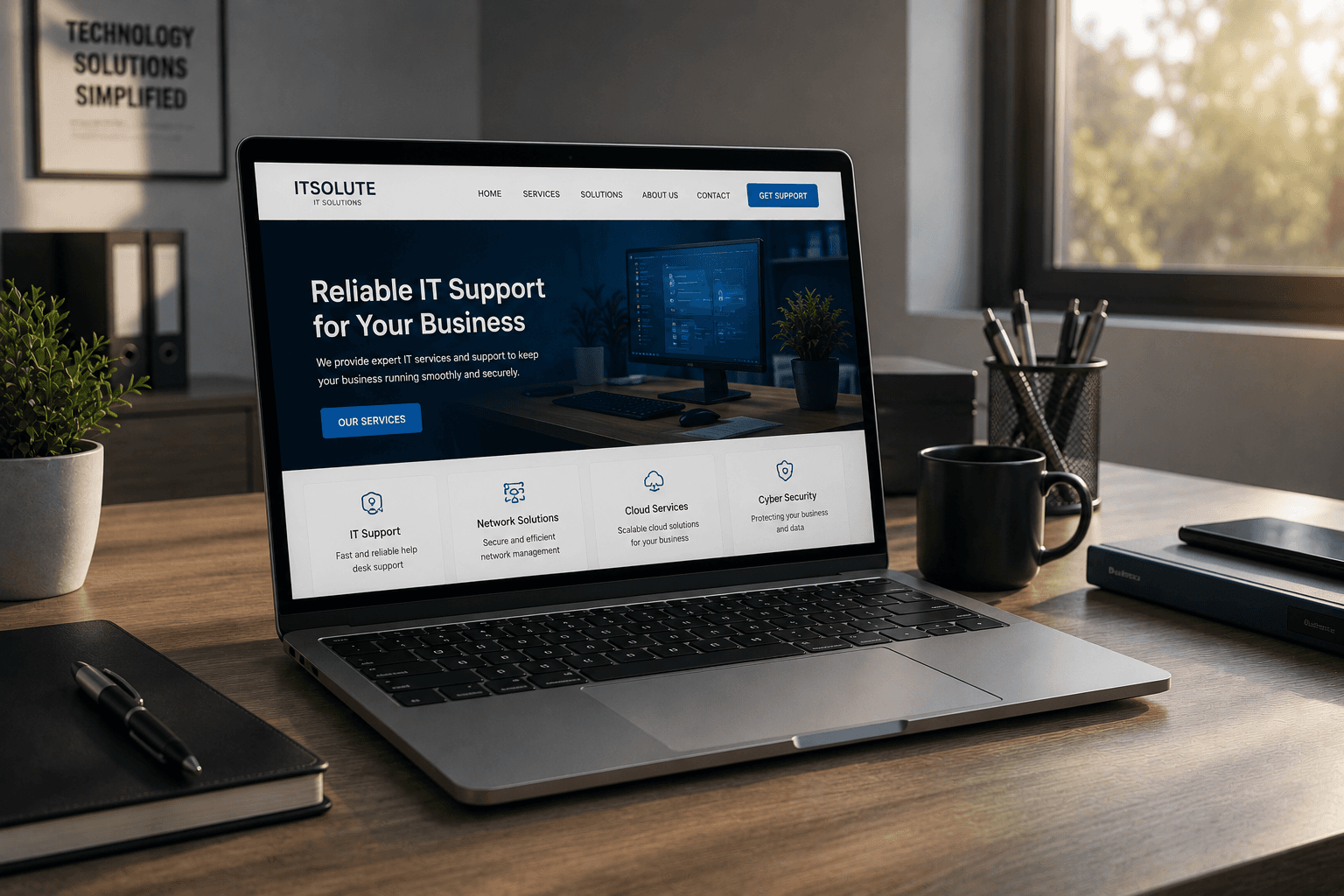
Remote IT support has real advantages: it's fast, it's often cheaper, and a good technician can fix a huge range of problems without leaving their desk. Any competent IT partner uses remote tools constantly. But there's a hard limit to what remote support can do — and for a business with physical premises, that limit is exactly where the expensive problems live. Here's why local still wins.
What remote support does well
Let's be fair to remote first. A lot of IT work genuinely doesn't need anyone on-site:
- Software configuration and troubleshooting
- Email, licensing, and account setup
- Diagnosing many issues before deciding what to do
- Quick fixes and routine changes
For these, remote is faster than waiting for a visit, and a good partner reaches for it first. Speed is remote support's strength.
Where remote support hits a wall
The problem is that a business isn't only software. When the failure is physical, remote can diagnose it but not fix it:
- A failed drive or dead laptop — someone has to physically replace it.
- A dead router or switch — needs hands on the hardware.
- A cabling fault — you can't re-run a cable over a video call.
- Setting up a new office or branch — the whole thing is physical.
- A network that's down — often the internet or the hardware is the problem, and no remote tool can reach a device that's offline.
These are also, not coincidentally, the failures that stop your business. And a remote-only provider's answer to them is "we'll arrange someone" — which means finding a local contractor anyway, on their timeline.
The response-time difference
When something critical is down, the gap between local and remote-only is stark. A local partner can be on-site the same day. A remote-only or out-of-district provider is either flying someone in, sub-contracting locally, or telling you to wait. For a downed billing counter or a dead office network, same-day versus next-week is the difference between a bad morning and a lost week.
This is why, when businesses in Kottayam ask us the difference, we point to the physical problems — because that's the whole case. (Our guide on how to choose an IT support company in Kottayam goes deeper on what else to look for.)
The false economy of remote-only
Cheap remote-only outsourcing often looks attractive on price — until you read what it excludes. On-site work is usually not included, so the day hardware fails, you're paying a second, local provider anyway, at premium rates, with no relationship. Two providers, two bills, no accountability. A local partner who does both remote and on-site under one contract is frequently cheaper overall, and far simpler.
The best of both
The point isn't that remote is bad — it's that remote only is incomplete. The strongest setup is a local partner who leads with remote tools for speed and shows up in person when the job needs hands on equipment. Fast fixes when they can be fast; a technician at your door when they can't. Under an IT AMC, that's exactly how it works — remote-first response with on-site cover built in.
The bottom line
For a business with real premises, hardware, and a network, remote-only support covers the easy half and leaves you exposed on the expensive half. A local partner covers both.
See how we work as a local partner in IT services in Kottayam, or WhatsApp us your setup and we'll tell you honestly what you'd need on-site versus remote.
Frequently asked
Common questions on this topic.
Keep reading
More from the ITSolute blog.

How to choose an IT support company in Kottayam
A practical guide to picking an IT support partner in Kottayam — what to look for, the red flags to avoid, and the questions that separate a real partner from a phone number that doesn't answer.
Managed IT vs break-fix support: which costs less long-term?
Pay only when something breaks, or a fixed monthly fee to keep it from breaking? The honest cost comparison of break-fix vs managed IT for a growing business.

7 signs your business needs an IT AMC
Not every business needs an IT maintenance contract — but if these signs sound familiar, you're already paying for the lack of one in downtime and stress.